



Built for Automotive Aftermarket Blister Packaging,Engineered for Retail Performance
Compliance? Covered.Cost control? Dialed in.Shelf impact? Nailed.
From pilot runs to global export, all in one streamlined system.
Pain Points, Solved for Every Automotive Aftermarket Buyer
Six packaging strategies aligned with how aftermarket parts are sold, distributed, and regulated worldwide.
Automotive Aftermarket Brand Owners & Private Label
Retail-Ready Blister Packaging That Actually Sells
Pain Points
- Small aftermarket parts struggle for attention on crowded pegboards.
- Generic packaging fails to communicate fitment, specs, or value.
- Oversized blisters add plastic cost without improving sell-through.
Solution
- High-clarity PET / rPET blister packs designed for retail visibility.
- Precision cavity layouts that clearly display part size and application.
- Right-sized structures balancing durability, sustainability, and cost.
Result
High-Volume Distributors & Importers
Predictable Blister Packaging for Margin-Sensitive Programs
Pain Points
- Tight margins magnify small increases in packaging cost.
- Inconsistent blister quality creates downstream operational issues.
- Managing multiple SKUs across regions increases risk.
Solution
- Standardized blister formats optimized for high-volume production.
- Stable materials and repeatable tooling for long-run consistency.
- Clear labeling zones supporting multi-market distribution.
Result
OEM & Tier-2 Suppliers Entering Retail
Turning OEM Parts into Retail-Ready Products
Pain Points
- OEM-grade parts lack retail packaging experience.
- Compliance, labeling, and presentation requirements are unfamiliar.
- Trial-and-error packaging slows down retail entry.
Solution
- Conversion of OEM components into proven blister formats.
- Structures and materials aligned with retail and export standards.
- Packaging designed around end-market expectations.
Result
E-Commerce & DTC Aftermarket Brands
Blister Packaging That Performs Online and in Transit
Pain Points
- Small parts are easily damaged during parcel shipping.
- Retail-only packaging performs poorly in e-commerce.
- Returns increase due to damage or unclear presentation.
Solution
- Reinforced blister structures engineered for parcel handling.
- High-visibility designs optimized for online photography.
- Compact formats that reduce shipping volume and cost.
Result
Compliance- & Export-Sensitive Aftermarket Programs
Packaging Built for Cross-Border Aftermarket Sales
Pain Points
- Regulatory and material requirements vary by market.
- Packaging errors lead to shipment delays or rework.
- Sustainability expectations continue to rise globally.
Solution
- rPET, reduced-plastic, and paper-based blister solutions.
- Market-aware packaging aligned with evolving regulations.
- Export-tested structures designed for international logistics.
Result
Fast-Moving & Multi-SKU Aftermarket Lines
Scalable Blister Packaging for Growing Product Lines
Pain Points
- Frequent SKU updates increase packaging complexity.
- Custom packaging slows down new product launches.
- Inconsistent layouts weaken brand recognition.
Solution
- Modular blister systems adaptable across product families.
- Shared tooling concepts to reduce update and development costs.
- Consistent visual structure across expanding SKUs.
Result
Sustainability, Built Into Every Aftermarket Pack
Our Process
Initial Evaluation
The first step typically involves describing the retail environment in which your product will be sold, how the package will be assembled, the annual volume required and other factors that will determine whether a blister pack is an ideal solution.
Design Review
Once it is determine that a blister pack may work, we often start by requesting a sample or CAD drawing of the product. Our designers will use this and info from the Initial Evaluation to determine what type of blister packaging will work best.
Material Selection
In addition to developing the design and dimensions of the blister, our team will work to specify the best material for the application. While PET is the most blister material, our team can evaluate your assembly process and other needs to find the best fit.
Prototyping
With all of the specifications in place, our team can move to the prototyping stage where we create low-cost, tooling that can produce a limited number of physical blisters which one can use to test, configure shipping cartons, etc.
Production Tooling
After prototype approval, ELSE PACK produces the forming and trimming tooling and confirms the approved dimensions, material and critical quality points before pilot production.
Assembly & Card Printing
At the same time, we coordinate blister tolerances with printed cards, sealing equipment, assembly steps and outer cartons so production requirements are aligned.
Production
With all of the production tooling complete, blister cards sourced and assembly processes created, one can comfortably place an order for “production parts” and get busy packaging and selling the final packaged product to retailers.
Ongoing Support
After launch, ELSE PACK supports repeat orders, troubleshooting and design changes for new retailers, automation requirements or future SKUs.
Case Gallery
Automotive Time-Delay Fuse Blister Card Packaging
Automotive Spark Plug Blister Card Packaging
Automotive Glass Tube Fuse Face-Sealed Blister Pack
Automotive Voltage Tester Slide Blister Pack
Automotive Halogen Headlamp Bulb Retail Blister Packaging
Automotive Power Relay Blister Card Packaging
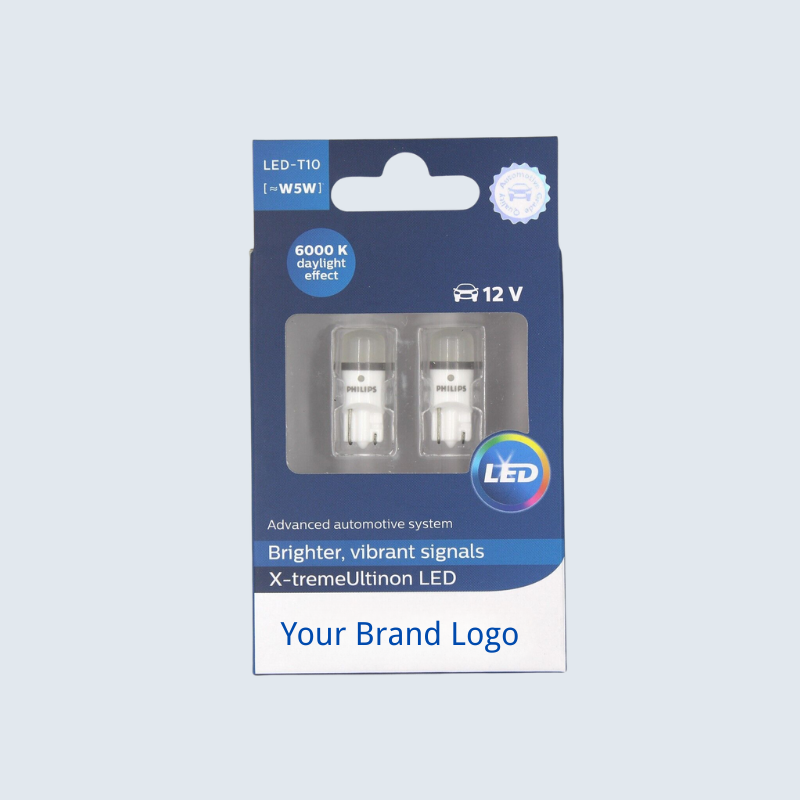
Automotive LED Bulb Box Packaging with Blister Insert Tray
3M Leather and Vinyl Automotive Repair Kit Stand-Up Clamshell Packaging
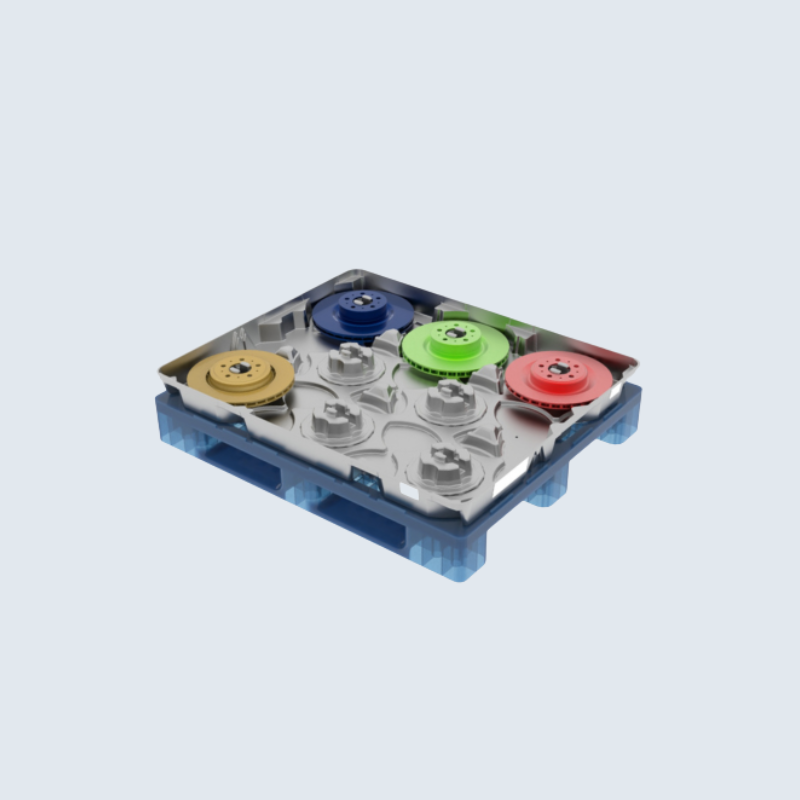
Stackable Automotive Parts Tray Compatible with Returnable Logistics Crates
Automotive Component Thermoformed Blister Tray Packaging
Automotive Parking Sensor Kit Box Packaging with Blister Insert Tray
Automotive Wiper Blade PET Folding Box with Injection-Molded End Caps
Find Your Solution
Customer Reviews